

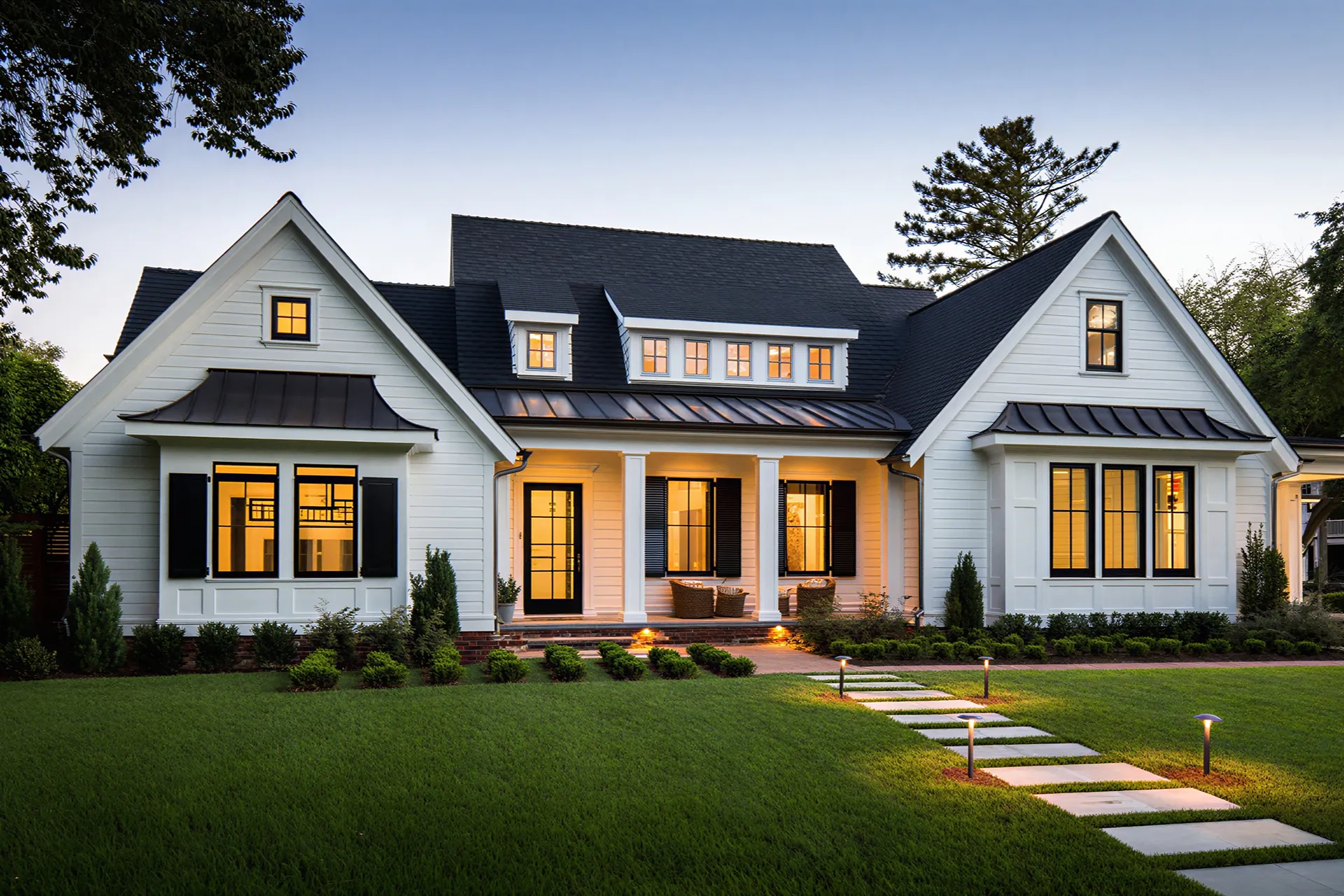
Can New Siding Improve Your Home’s Energy Efficiency?
When you’re considering the different ways that you can enhance your Massachusetts home’s energy efficiency, you’ll come to find out that you have plenty of options. However, there are few upgrades that can be more transformational for your home’s energy efficiency than new siding will be. While you might think about a siding replacement in terms of what such a project can do for curb appeal and protection against the elements, it can offer just as much of a boost in terms of energy performance.
Think about it: Siding is one of the most important components of your home’s exterior when it comes to separating your indoor living spaces from the outdoor conditions. So, when you invest in new siding—and the right new siding, specifically—it can work wonders for the interior temperature of your home and the amount of strain your HVAC system goes through to maintain that temperature. And as a result of this improved energy efficiency, you may even see savings on your monthly heating and cooling costs. Let the expert team at Scott’s Siding & Remodeling further explain how new siding might just be the perfect investment for your home in Massachusetts.
How Does Your Siding’s Condition Affect Your Home’s Energy Efficiency?
Your siding is an important layer of protection for the exterior of your home. It does plenty to protect your property in the face of the Massachusetts climate, plus it helps to shield the underlying structure from rain, snow, wind, and other conditions you’ve grown accustomed to in the northeast of the U.S. So, it’s safe to say that properly engineered, expertly installed and well-maintained siding does plenty of good for your home’s energy efficiency. But what about poorly installed or damaged siding? That’s when it can have the opposite effect.
When siding is cracked, loose, warped, or otherwise damaged, it can cause problems for the materials underneath as well. Not only that, but gaps in the exterior envelope of your home, deteriorated weather barriers, and insufficient insulation can make it more difficult for your HVAC system to maintain a steady and comfortable interior temperature. In other words, your HVAC will have to work harder, which expends more energy and can ultimately cost more money on a monthly basis. That’s why a siding replacement can create an opportunity for you to better set your home up for success in the realm of energy efficiency.
Pairing Strong Insulation With Your Home’s New Siding
It’s not just your home’s siding that contributes or detracts from its energy efficiency. Pairing that siding with effective insulation is a must, too. Insulation is measured using its R-value, which indicates its resistance to heat flow. So, generally speaking, increasing the insulation in an exterior wall system can help reduce the amount of heat that passes through it. That’s a good thing year-round, as it can keep heat indoors during the wintertime and outdoors during the summer months. So, when the time comes for new siding at your Massachusetts home, be sure you’ve discussed the level of insulation you’re getting from the contractor you’ve chosen for your project.
Which New Siding Options Are Best for Your Home’s Energy Efficiency?
Different siding materials are bound to offer different levels of energy efficiency. Insulated vinyl siding, fiber cement siding, and cedar siding are all intriguing options you can find when you partner with the professionals at Scott’s Siding & Remodeling for your siding upgrade. If you’re ready to see for yourself what new siding can do for the energy efficiency of your Massachusetts home, contact us today. We’d love to walk you through your options and get your project started with a quote.


